
Stay Tuned In To Your Health
When something feels off, early action matters.
Understanding how COVID-19 affects the Black community can help individuals notice changes early, act fast, and protect the people they care about. This page offers tools and information to support confident, timely decisions about health.
Aaron, 62, living with chronic kidney disease.
Michelle, 60, living with diabetes.
Actor portrayals.
Health and Wellness
Mind. Body. Soul (Food).
Your body sets the tone, physically, mentally, and emotionally. Paying attention to how you feel day-to-day can help you notice subtle shifts early.
Let’s expand the way we approach our health and treat it like the precious asset it is by taking measures now to improve future health outcomes. Incorporating activities like brisk walks, mindful eating habits, and positive affirmations may help support a sense of well-being for the mind, body, and soul.

Vanessa, 55, living with depression.
Henry, 60, living with heart disease.
Actor portrayals.
Mental Health
Black Americans, like all communities, face mental health challenges. But certain stressors are unique to your lived experience, and taking your mental health seriously is an act of strength, not weakness. Embrace mindfulness exercises and consider seeking support from a professional therapist who specializes in Black mental health.
Physical Health
It is recommended that adults get at least 30 minutes of moderate exercise 5 times a week.1 Age, weight, and mobility could determine what counts as moderate exercise, so talk with your doctor or another healthcare provider about what works best for you.
Dietary Health
Long-term health may be improved with thoughtful diet modifications without sacrificing flavor. Take note of your dietary habits and check in with a healthcare professional about small changes that could make a difference.
Together we’re stronger.
Let’s take action against COVID-19 for a Healthier tomorrow.
Caring for Elders
Older. Wiser. Safer.
Our families move together. When one person falls out of rhythm, everyone feels it.
Older adults are more likely to develop severe COVID-19 symptoms.2 When you notice a shift, acting early can make a real difference.
If you help care for an elder, remember: taking care of yourself helps you take care of them. And if you're the one your family turns to for health information, staying tuned in to changes and encouraging an early conversation with a doctor, nurse, or clinic provider can help those at highest risk.
A few simple steps can go a long way: test if anyone's feeling off and switch to a video call when someone's sick. Small moves help protect the people at higher risk.3
Micheal, 72, living with high blood pressure. Actor portrayals.
Caring for Others
All About the Family
If your family relies on you for care, having a plan in place can help to minimize disruption to your family’s routine. Reach out to a healthcare professional about ways to reduce the risk of severe illness from COVID and whether treatment is right for you.4 If you're breastfeeding, talk to your doctor about COVID-19 treatment options and what's safe for you and your baby.
Most children experience asymptomatic or mild COVID-19 illness, some are at risk of developing severe illness.5 Talk with your child's pediatrician or healthcare provider about risk factors, what symptoms to watch for, and how to support recovery if they get COVID-19.


Resources
Rely on the Voices You Can Trust
Trusted guidance can keep you steady when your rhythm shifts. One way to make informed decisions about your health is by identifying trusted voices from your community. Consider the following resources:


Faith-Based Organizations
We recognize the vital role that Black churches and faith leaders play in supporting community health. Consider connecting with local faith leaders to learn more about their COVID-19 health initiatives and partnerships with nearby clinics or health centers.


Community-Serving Organizations
Many local groups offer health support, including for COVID-19, that’s closely tied to your community. Exploring these organizations can connect you to resources that are easy to access.
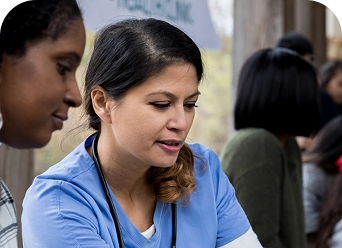

Local Clinics
Clinics rooted in the community understand local needs and often offer free or low-cost services. They can support early action when symptoms first appear.


Health Fairs
Health fairs offer screenings, workshops, and time with medical experts. They are helpful for learning about risks, symptoms, and early treatment options.
COVID-19 and the Black community
It Takes A Village
Listening to your body can help protect the people you love.
One person’s awareness can influence the people around them. When someone listens to their body, verifies the information they receive, or understands what puts them at higher risk, it can help others stay tuned-in as well. Communities grow stronger when individuals recognize shifts in their health and take steps to stay on their beat.
That's why working with a healthcare professional to create a COVID-19 plan can make a real difference when symptoms show up.
If something feels off, act fast. Download the brochure to learn about treatment options and start the conversation with your healthcare professional.

Don’t Miss A Beat
Want updates that help you stay informed? Sign up for the newsletter and get the latest COVID-19 information and community resources delivered straight to your inbox.
George, 70, living with asthma. Actor portrayals.
References: 1. Physical activity basics. Centers for Disease Control and Prevention. Accessed March 16, 2026. https://www.cdc.gov/physical-activity-basics/guidelines/adults.html 2. People with certain medical conditions and COVID-19 risk factors. Centers for Disease Control and Prevention. Accessed March 16, 2026. https://www.cdc.gov/covid/risk-factors/index.html 3. Direct service providers for children and families: information for home visitors. Centers for Disease Control and Prevention. Accessed March 16, 2026. https://www.cdc.gov/ncbddd/humandevelopment/covid-19/guidance-for-home-visitors.html 4. If you get sick with COVID-19, antiviral treatments can protect you against severe illness. Centers for Disease Control and Prevention. Published December 21, 2023. Accessed March 16, 2026. https://www.cdc.gov/ncird/whats-new/antiviral-treatments.html 5. Information for pediatric healthcare providers. Centers for Disease Control and Prevention. Accessed March 16, 2026. https://www.cdc.gov/covid/hcp/clinical-care/for-pediatric-hcp.html